
"Ethiopian Mocha"
1000 article(s) found

The taste of mocha coffee beans
It is one of the most sour coffee, mocha coffee is sometimes called Ethiopian coffee. Mocha beans are so popular because of their rich taste. Aromas of red wine, wild game, dried fruit, blueberries, grapes, cinnamon, tobacco, sweet spices, log, and even chocolate. Europeans like mocha coffee very much and have always used it as a kind of consumption.

Mocha Coffee Bean Flavor Flavor Coffee
Mocha coffee is sometimes referred to as Ethiopian coffee. Mocha beans are so popular because of their rich taste. Red wine aromas, wild aromas, dried fruit aromas, blueberries, grapes, cinnamon, tobacco, sweet spices, logs, even chocolate. Europeans love mocha coffee and have long regarded it as a consumable.

Harar Hara, an Ethiopian Ethiopia boutique coffee producing area, is an eastern Ethiopian producing area.
Professional baristas please follow the coffee workshop (Wechat official account cafe_style) Harar is a famous producing area in eastern Ethiopia, ET sun-cured coffee representative, but also a boutique coffee world sun treatment, or natural treatment classic. Harar, with a history of more than 1300 years, Harar is a veritable ancient city. Although archaeologists believe that the city was built in the 10th century
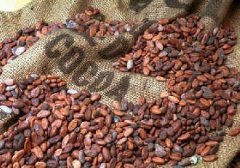
Ethiopian Coffee the most famous boutique coffee beans introduce Ethiopian coffee features Ethiopia
1. Limu coffee grows between 1400 meters and 2000 meters above sea level. Wash the coffee. Excellent quality, with strong nut aromas, suitable acidity, with the intensity of wine. The annual output is 29000 tons. 2. Jima Coffee grows between 1400 and 1800 meters above sea level. Sun-baked coffee. Slightly sour, with nutty aromas and a long finish. The annual output is 70000 tons. 3. Growth of Gamby Coffee

Ethiopia mocha coffee bean sour coffee bean boutique coffee
It is one of the most sour coffee, mocha coffee is sometimes called Ethiopian coffee. Mocha beans are so popular because of their rich taste. Aromas of red wine, wild game, dried fruit, blueberries, grapes, cinnamon, tobacco, sweet spices, log, and even chocolate. Europeans like mocha coffee very much and have always used it as a kind of consumption.

Aromatic Ethiopian coffee estate Flavor Description Variety Features Taste Introduction
Ethiopia's coffee market regulator is the Ethiopian Coffee and Tea Products Authority. There are two auction centers in the country, one in Addis Ababa and the other in Dire Dawa in eastern Ethiopia. Coffee farmers bring fresh fruit either to private coffee processing plants or to cooperative coffee washing stations
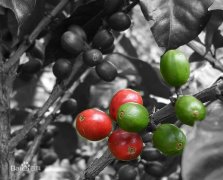
Ethiopian coffee specialty boutique coffee
Ethiopian coffee features natural characteristics of coffee beans include large

Sidamo coffee tastes Ethiopian Sidamosi Dama candlelight
Ethiopian Sidamo is a type of single origin that grows in Arabica coffee in Ethiopia's Sidamo province. Like coffee in most African countries, Ethiopian Sidamo is characterized by small gray beans, but characterized by its rich, spicy, wine or chocolate-like taste and floral aroma. The most distinctive flavors found in all Sidamo coffee are lemon and citrus, bright.

The four meanings represented by mocha have four meanings in coffee industry terms.
The word Mocha Coffee is a foreign transliteration and has four meanings in coffee industry terms. 1. Mocha coffee (mocha) refers to a small Arabica coffee (Arabica Coffee) that is smaller and rounder than most coffee beans and looks like peas. Its shape is similar to that of Ethiopian Harald coffee beans, with small particles, high acidity and slightly banded.

Boutique Coffee Mocha Coffee Development Origin Mocha Coffee Flavor Boutique Coffee
Mocha coffee beans are similar in shape to Ethiopian Harrar coffee beans.

Yemeni mocha coffee flavor, one of the birthplaces of coffee.
Professional baristas Please follow the Coffee Workshop (Wechat official account cafe_style) it is the most sour kind of coffee, mocha coffee is sometimes called Ethiopian coffee. Mocha beans are so popular because of their rich taste. Aromas of red wine, wild game, dried fruit, blueberries, grapes, cinnamon, tobacco, sweet spices, log, and even coincidence

A brief introduction to the flavor and aroma characteristics of Bancimaji boutique coffee beans with spice and fruit flavor.
The wild taste of Gemma and the wine aroma peculiar to Harald also drive many coffee fans crazy. Ethiopian coffee varies greatly from batch to batch, so pay attention to the batch number when buying, indicating that the taste of two bags of coffee in the same producing area may differ by 108000 li. In addition, Ethiopian coffee is usually harvested earlier, which is different from coffee in many other regions. Also

A brief introduction to the cultivation of Bancimaji boutique coffee beans with light acidity, geographical location, climate and altitude
The wild taste of Gemma and the wine aroma peculiar to Harald also drive many coffee fans crazy. Ethiopian coffee varies greatly from batch to batch, so pay attention to the batch number when buying, indicating that the taste of two bags of coffee in the same producing area may differ by 108000 li. In addition, Ethiopian coffee is usually harvested earlier, which is different from coffee in many other regions. go

Boutique Ethiopian Sidamo Coffee beans Sidamo Coffee Coffee Sidamo Coffee
Ethiopia has two of the best producing areas, Yiragcheffe and Sidamo. Sidamo is located in a plateau region south of Ethiopia. Sidamo has a balanced acidity and moderate consistency. In Ethiopia, people usually have a cup of mocha coffee for breakfast to replenish the spirit and vitality of the day. As Ethiopia's classification system is still very backward,

Introduction of Grinding scale for quality characteristics of Ethiopian Guji Coffee Flavor description
Ethiopian Gucci Coffee Flavor description treatment quality characteristics Grinding scale introduction washed Ethiopian wild djimmahjima mocha coffee, wild appearance, is gentle heart; it is indeed a relatively high quality low acidity coffee. Sidamo Sidamo sidamo Ethiopia Sidamo is a type of single origin, growing in Allah, Sidamo Province, Ethiopia

African Coffee Manor Ethiopia Gemma Coffee Raw Bean DjimmaG4 Sun Mocha Flavor
CONTENT [product name] Gemma Djimma [place] Ethiopia (Ethiopia) [place] sun [baking] recommended baking degree: deep baking [cup review] slightly sour, full and complex palate, special fruity aroma (similar to earthy or herbaceous) Gemma is close to Harald's complex wildness in style, slightly bitter on the palate, low acidity, warm and full-bodied taste.

Fragrant Ethiopian coffee flavor and taste introduce fine coffee beans in Ethiopian coffee producing areas
Ethiopian people are addicted to coffee. In 2003, domestic consumption accounted for 42.3% of the total output, with a per capita consumption of 3 kg. But more than half of the coffee produced each year is used for export to earn foreign exchange. The main exporters include the United States, Italy, the United Kingdom, Sweden, Norway, Greece, France, Belgium, Germany and Australia. Before 1974, the right to produce, process and trade coffee was controlled by

Ethiopian coffee taste
Ethiopian Coffee Taste concern Review (official Wechat account vdailycom) found that the natural characteristics of coffee beans in a beautiful cafe to open its own small shop include large

Description of varieties and flavors of African coffee beans introduction to the characteristics of varieties produced by taste treatment
Description of the flavor of African coffee beans the characteristics of varieties produced by the method of taste treatment Columbia Super Coffee (Columbian Supremo), a unique geographical location, at the foot of the Andes (Andes), mild climate and humid air, no frost, undulating mountains provide a diversified climate and long growth cycle, resulting in its small particles, mellow taste. This coffee alcohol

Coffee beans from Ethiopia Flavor Taste Description Characteristics Manor Variety Introduction
Ethiopia, known as the birthplace of coffee, has a history of coffee origin and traditional farming techniques. It is said that the English word coffee is also derived from the Ethiopian name kaffa. Legend has it that around 900 AD, a shepherd in Ethiopia's Kafa region was grazing in the mountains when he noticed sheep competing for food.